
Nose Surgery in Kukatpally
A clear guide to surgery for persistent nasal blockage, a deviated septum, chronic sinus problems, nasal polyps and certain nose injuries.
 By Dr. Gouda Ramesh, MS (ENT) · Updated 13 October 2026
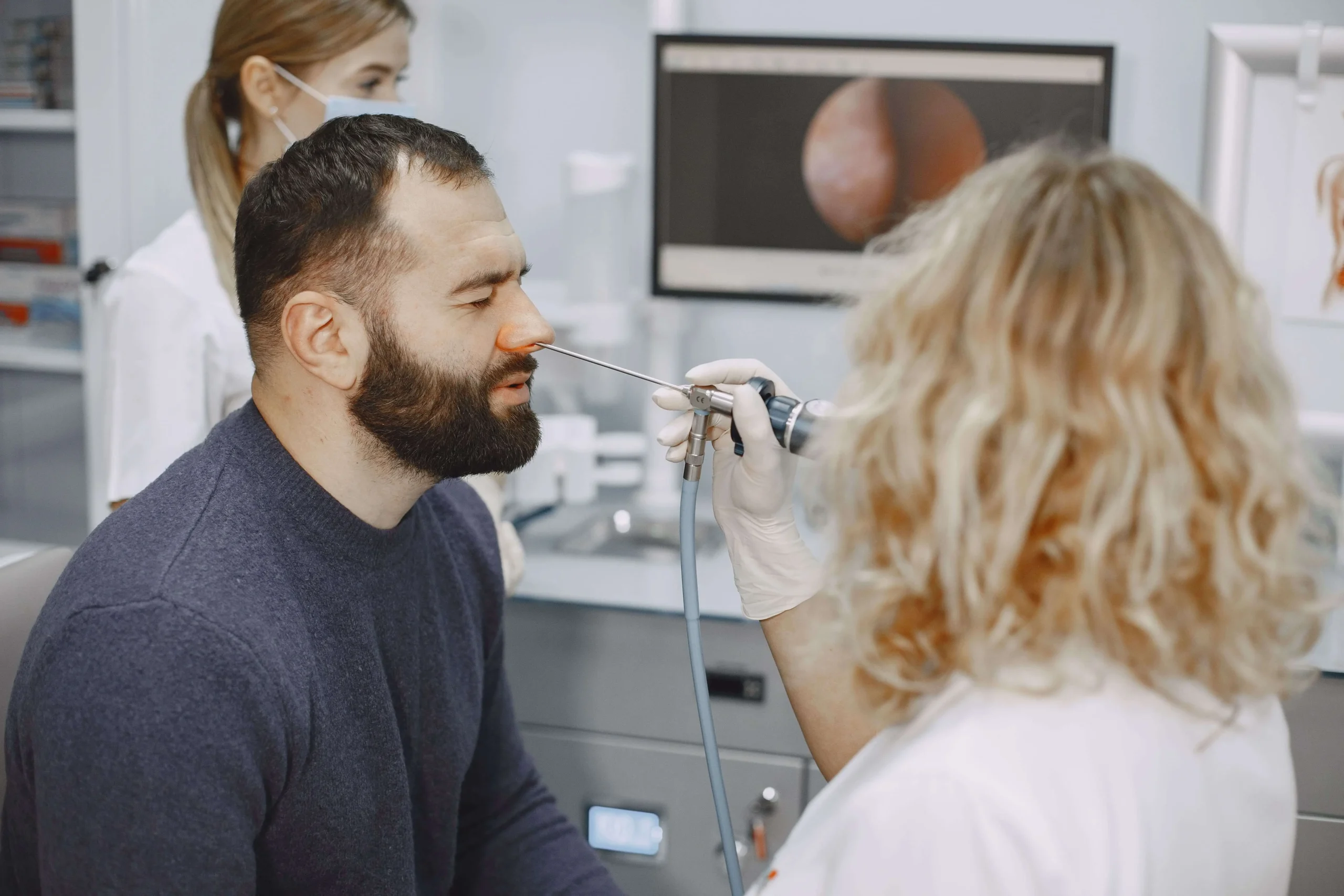
Nose surgery may be considered when a structural or long-standing problem—such as a deviated septum, enlarged turbinates, nasal polyps or chronic sinus disease—continues to cause symptoms despite appropriate medical treatment. Many nasal and sinus procedures are performed through the nostrils, but the approach, recovery and need for a hospital stay vary by procedure.
Types of Nose Surgery
There is no single operation for every blocked nose. An ENT specialist matches the treatment to the cause, examination findings and response to medicines.
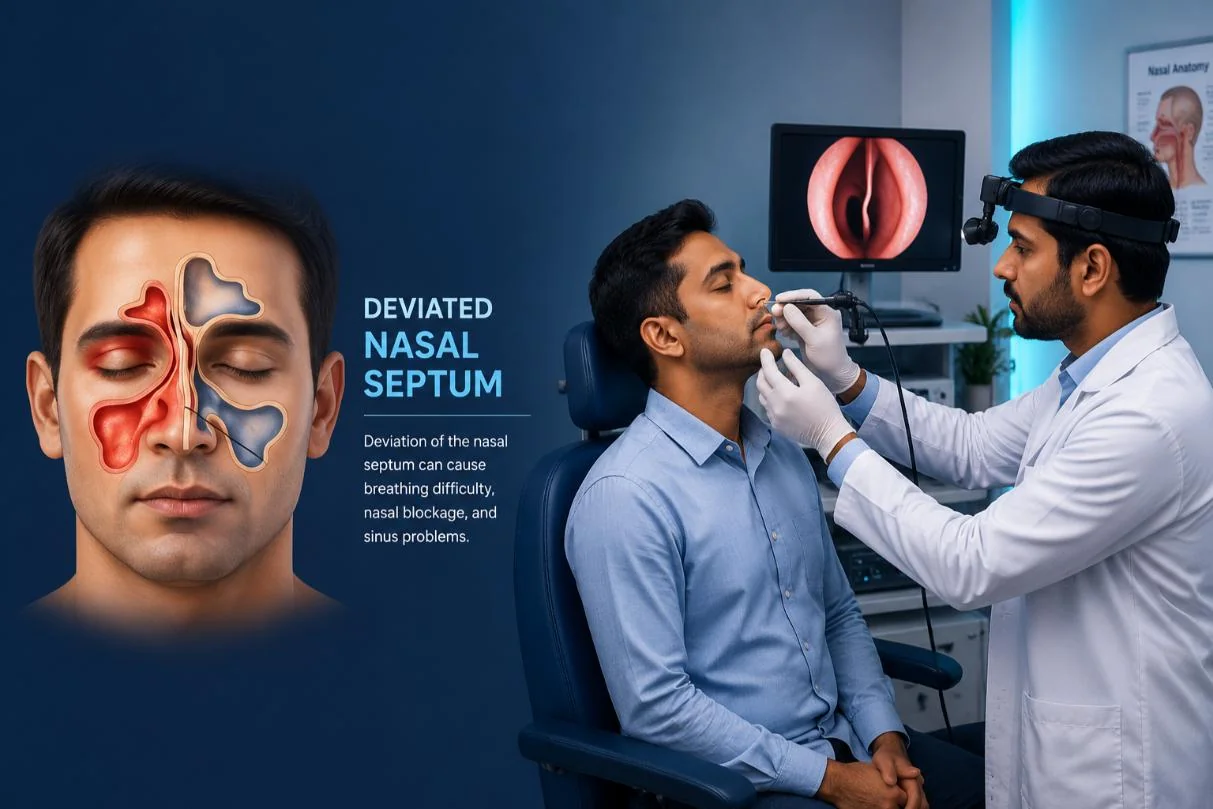
Septoplasty
Straightens a bent nasal septum—the wall between the nostrils—when it contributes to breathing difficulty.
About a deviated septum →
Turbinate Reduction
Reduces enlarged turbinates when they contribute to persistent nasal blockage. The technique depends on the case.
About allergic rhinitis →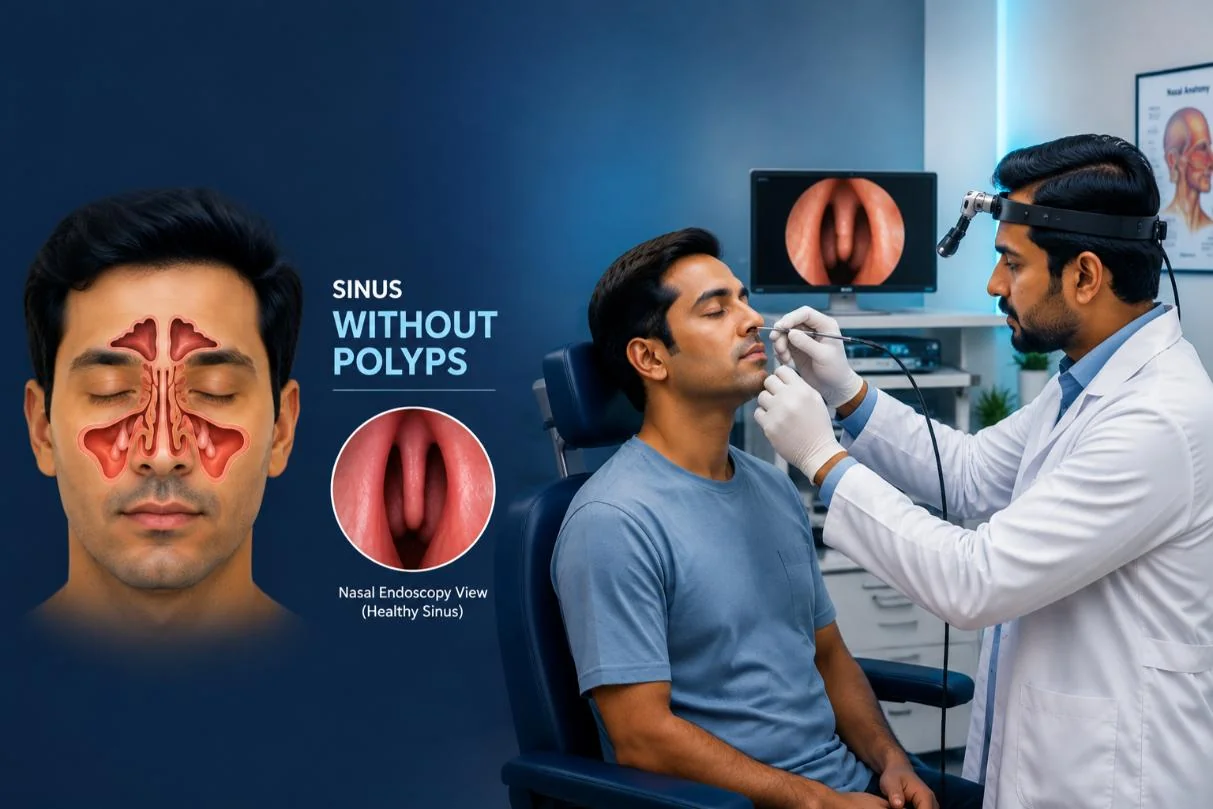
Endoscopic Sinus Surgery (FESS)
Uses a small camera and instruments through the nostrils to improve drainage in selected chronic sinus conditions.
About sinusitis →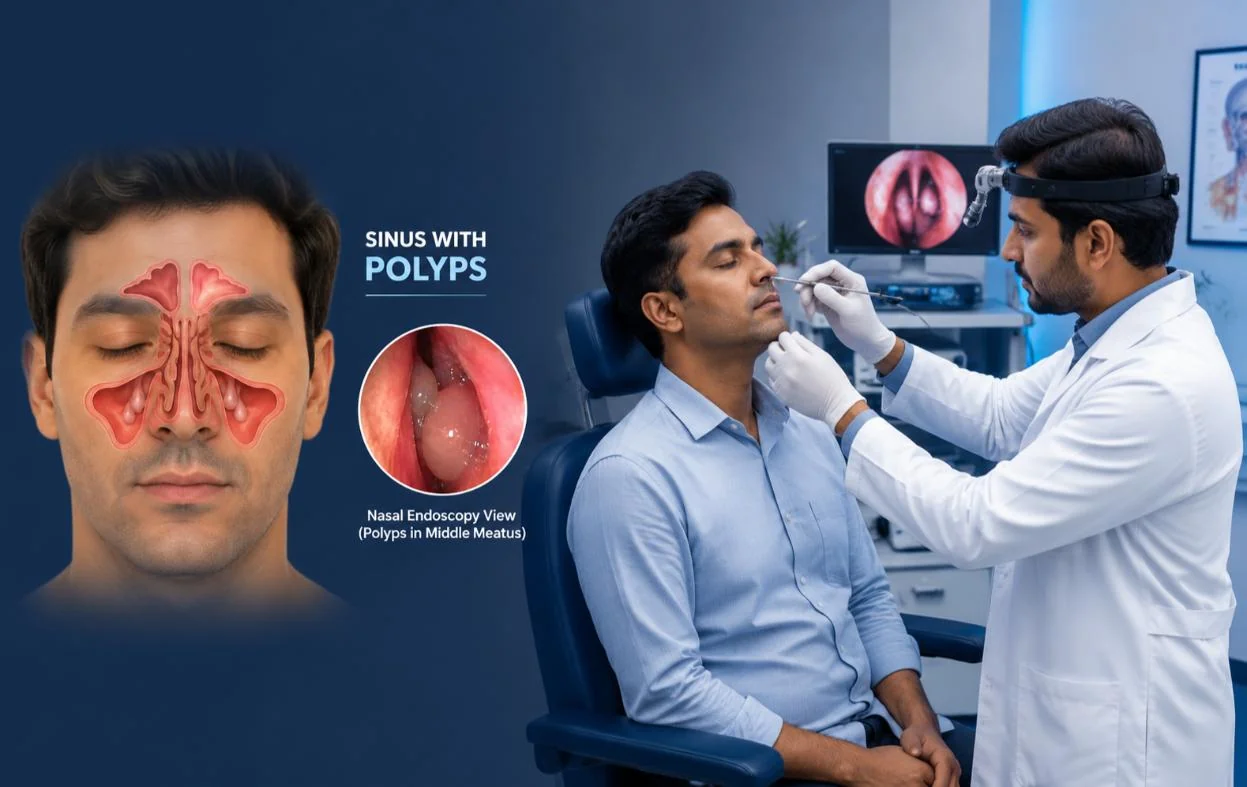
Nasal Polypectomy
Removes nasal polyps that obstruct the nose. It may be combined with sinus surgery when clinically indicated.
About nasal polyps →
Nasal Fracture Reduction
Realigns displaced nasal bones after an injury when appropriate. Timing depends on the injury and clinical assessment.
Nasal trauma surgery →
Sinus & Nasal Tumour Surgery
Growths inside the nose or sinuses need careful evaluation, imaging and, where appropriate, biopsy before a surgical plan is made.
Sinus / nasal tumours →
Sometimes, more than one procedure is needed
For example, an ENT surgeon may consider septoplasty with turbinate reduction if both the septum and turbinates contribute to obstruction. The combination should be based on the findings—not chosen from symptoms alone.
Other nasal conditions, including nosebleeds and CSF leaks, need their own assessment and treatment plan.
Related Nose & Sinus Conditions
Read our detailed guides for the conditions most often treated with nasal or sinus surgery.
Who May Need a Nose Surgery Evaluation?
Symptoms can have different causes. A consultation helps determine whether medicines, further tests, surgery or a combination is suitable.
Consider an ENT assessment if you have:
- A blocked nose on one or both sides that keeps returning
- Persistent mouth breathing or disturbed sleep related to nasal blockage
- Repeated sinus symptoms or facial pressure
- Nasal discharge or post-nasal drip lasting 12 weeks or more
- A reduced sense of smell
- Repeated nosebleeds or breathing difficulty after a nose injury
Medicines first, surgery when needed
Allergic rhinitis and other inflammatory conditions may improve with suitable nasal sprays, allergy management or other treatment. Surgery is not automatically needed for every blocked nose.
If symptoms persist, an ENT specialist can check whether a structural problem or chronic sinus disease is contributing and explain the possible benefits, limitations and risks of each option.
From First Visit to Full Recovery
The diagnosis guides whether surgery may help and which procedure, if any, is appropriate.

Appointment
Book online, by phone or on WhatsApp.

Consultation
Symptoms, allergies, earlier treatment and health history.

Diagnosis
Nasal endoscopy, and a CT scan or allergy tests if needed.

Treatment plan
Medicines, surgery or both—explained with risks and options.

Procedure
Performed under suitable anaesthesia, often through the nostrils.

Recovery
Aftercare instructions and follow-up visits to check healing.
How Is Nose Surgery Performed?
Exact steps depend on the procedure, your health and your surgeon’s plan.
| Stage | What may happen |
|---|---|
| 1. Pre-surgery check | Your team reviews your medical history and may arrange blood tests, scans and an anaesthesia fitness assessment. |
| 2. Anaesthesia | General anaesthesia is used for many procedures; selected minor procedures may use local anaesthesia. Your team will explain your plan. |
| 3. The operation | Many nasal and sinus procedures are performed through the nostrils with an endoscope and specialised instruments. Some operations require a different approach. |
| 4. Packs or splints | Soft packing or splints may be used for a period after surgery, depending on the procedure and the surgeon’s preference. |
| 5. Observation and discharge | You are monitored after surgery. Day-care discharge or an overnight stay depends on the operation, recovery from anaesthesia and individual health factors. |

Recovery After Nose Surgery
This is a general guide, not a guaranteed timetable. Recovery can differ for septoplasty, sinus surgery, polyp removal and nasal fracture treatment.
Rest and monitoring. Some blockage or discomfort may occur; discharge timing depends on your procedure and recovery.
Follow your surgeon’s instructions for nasal care. Packs or splints may be checked or removed if used.
Some people return to work or light activity around this time, depending on their recovery and job demands.
Breathing may continue to improve as swelling settles. Resume exercise only when your surgeon advises.
Healing can continue for several weeks or longer, especially after sinus surgery. Follow-up remains important.
General aftercare reminders
- Do not blow your nose until your surgeon says it is safe.
- Use saline rinses or sprays only as instructed by your care team.
- Rest with your head raised if advised.
- Avoid heavy lifting, strenuous exercise, swimming or dusty environments for the period your surgeon recommends.
- Take prescribed medicines and attend follow-up appointments.
When to contact the hospital urgently
Seek prompt medical advice for heavy or persistent bleeding, high fever, severe or worsening headache, changes in vision, or clear watery drainage from the nose after surgery. If symptoms are severe or you feel acutely unwell, seek emergency care.
Kukatpally: +91 95505 74871
Is Nose Surgery Safe? Understanding Risks
Your surgeon should explain the risks that apply to your specific procedure and health.
Every operation has potential risks
Possible complications may include bleeding, infection, scar tissue or adhesions inside the nose, temporary or lasting changes in smell, and recurrence of nasal polyps or sinus disease. Rare complications of sinus surgery can involve structures near the eyes or the skull base. The likelihood and type of risk differ by procedure and individual circumstances.
Nose Surgery Cost in Kukatpally
There is no single cost that applies to every patient. A personalised estimate should follow clinical assessment and a discussion of the proposed treatment.
Septoplasty, FESS, polyp removal, turbinate reduction or a combination.
One or both sides, and which nasal or sinus areas need treatment.
Equipment and surgical methods selected for the case.
Any required scans, blood tests or other assessments.
Day-care treatment versus an overnight stay, if needed.
Coverage depends on your scheme or policy, medical indication and approval.





Meet Your ENT Specialist
Discuss your symptoms, test results and treatment options with a qualified ENT surgeon.
Dr. Gouda Ramesh
Book an assessment to discuss nasal blockage, sinus symptoms, nasal polyps or breathing difficulty after injury. The recommended care plan depends on your examination and medical history.
Frequently Asked Questions
These answers are general information. Your ENT surgeon can advise what applies to your condition and proposed procedure.
1. Is nose surgery painful?
Surgery is performed with anaesthesia selected for the procedure, so you should not feel pain during the operation. Some blockage, pressure or discomfort can occur afterward and is managed according to your surgeon’s instructions.
2. Will there be a visible scar after nose surgery?
Many septoplasty and endoscopic sinus procedures are performed through the nostrils and do not require a visible external incision. Some procedures differ, so ask your ENT surgeon what applies to your operation.
3. How long does recovery from nose surgery take?
Recovery depends on the procedure and your health. Some people return to work within one or two weeks, while swelling and healing may continue for several weeks or longer. Follow your surgeon’s specific advice.
4. Do I need to stay in the hospital after nose surgery?
Some nasal operations are performed as day-care procedures, while others may require an overnight stay. The decision depends on the operation, anaesthesia, health factors and the treating team’s assessment.
5. What is the difference between septoplasty and rhinoplasty?
Septoplasty straightens the internal partition between the nostrils to address problems such as obstruction. Rhinoplasty changes the external shape of the nose. Septorhinoplasty combines internal and external correction when clinically appropriate.
6. Can nasal polyps come back after surgery?
Yes. Nasal polyps can recur in some people. Follow-up care and medicines recommended by an ENT specialist may help control the underlying inflammation.
7. Is nose surgery covered by health insurance or Aarogyasri?
Gouda Ramesh ENT Hospital accepts Aarogyasri, EHS and cashless insurance claims. Coverage for a specific operation depends on your scheme or policy, the medical indication and approval, so confirm eligibility with the hospital before surgery.
8. What is the cost of nose surgery in Kukatpally?
The cost depends on the procedure, tests, equipment, hospital stay and other individual factors. A personalised estimate can be discussed after clinical evaluation.
9. Where can I get an ENT evaluation for nose surgery in Kukatpally?
Gouda Ramesh ENT Hospital is at Y Junction, KKR Building, 4th Floor, Pillar No. 867, beside Balanagar Metro Station, Kukatpally, Hyderabad. Call +91 95505 74871 to book an appointment.
Struggling with a blocked nose or recurring sinus symptoms?
Arrange an ENT evaluation to understand the cause of your symptoms and discuss suitable treatment options.
+91 95505 74871
+91 99851 71182
+91 91778 12783
Further reading
- Cleveland Clinic: Functional Endoscopic Sinus Surgery (FESS)
- Mayo Clinic: Nasal polyps — diagnosis and treatment
- Mayo Clinic: Chronic sinusitis — diagnosis and treatment
- East Kent Hospitals NHS: Septoplasty patient information